
Our Story — OLDBAC
Building something yourself is fundamentally different from buying it.
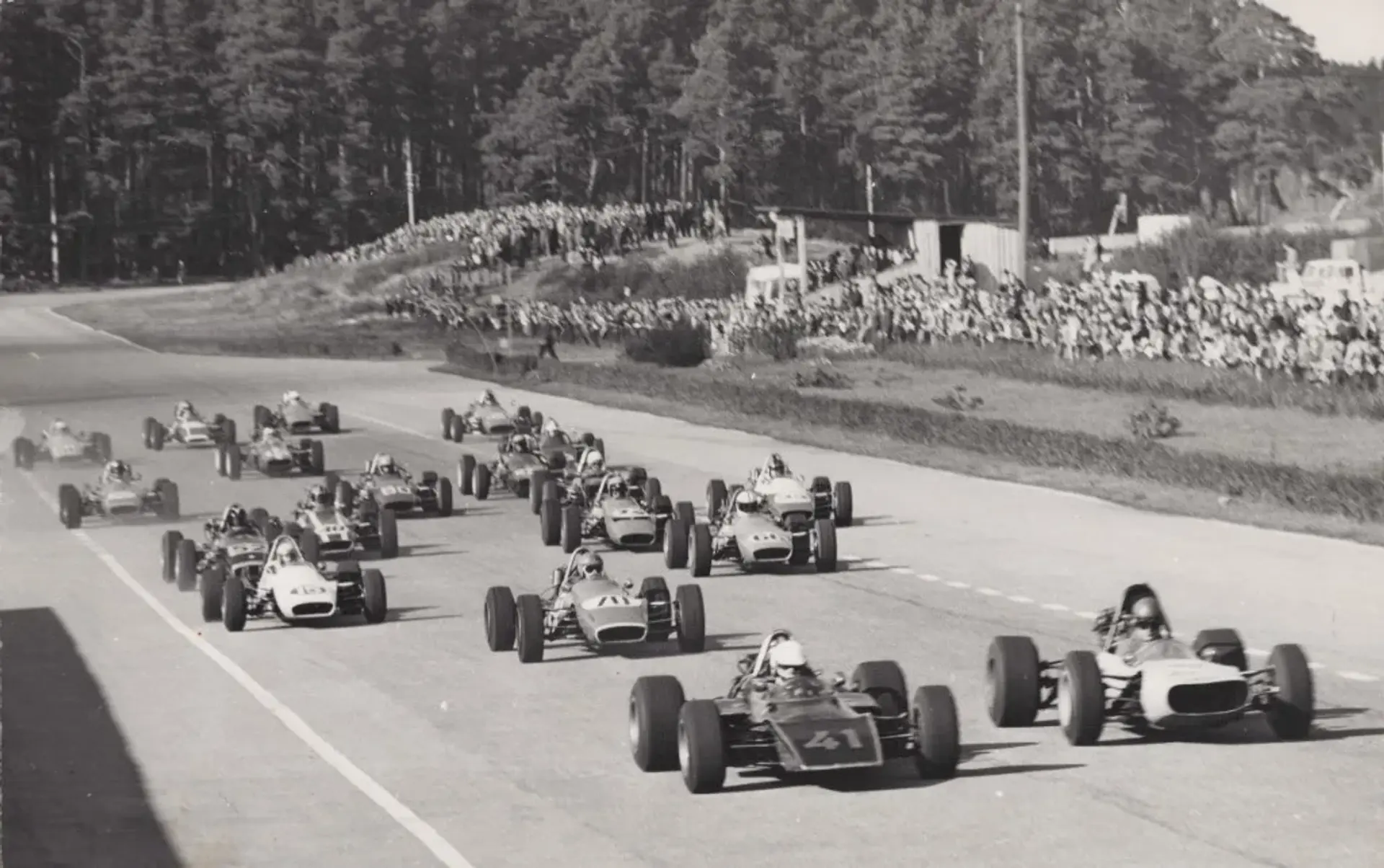
There was a time when racing teams built their own cars. Designed them, fabricated them, raced them. Spectators lined the hillsides to watch. Children stood at the barriers and decided what they wanted to become. That world is gone. But the idea of it never went away.
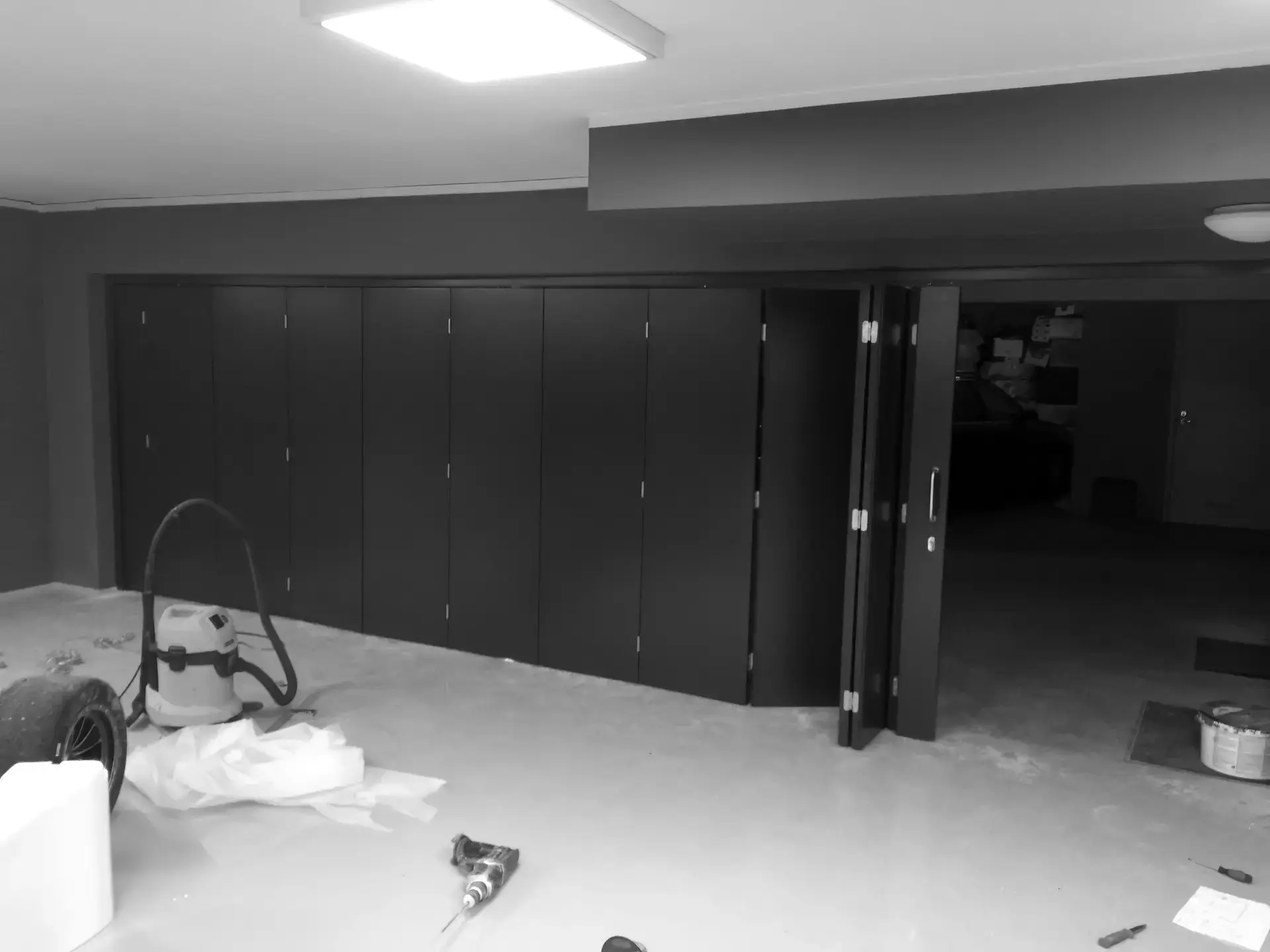
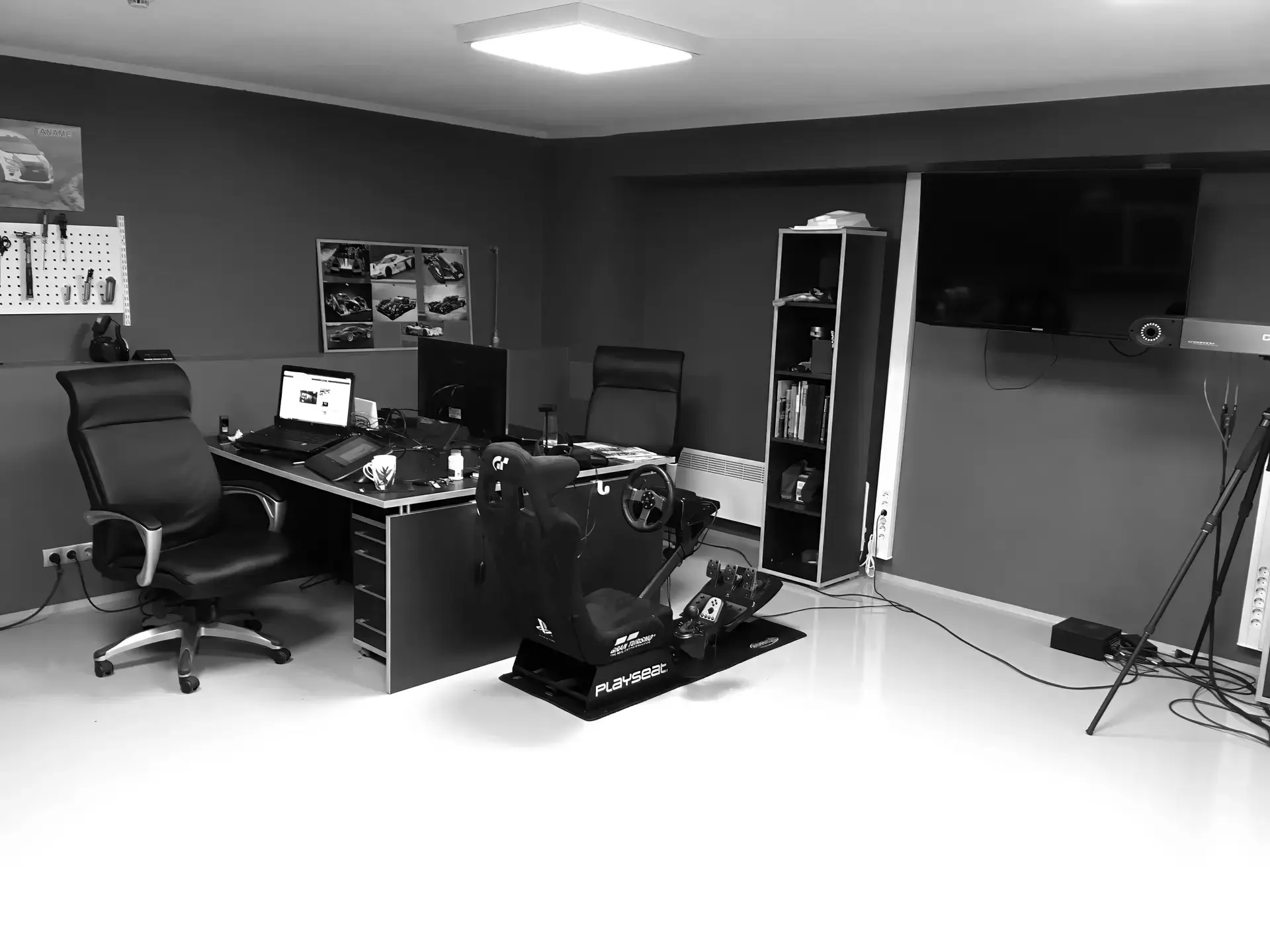
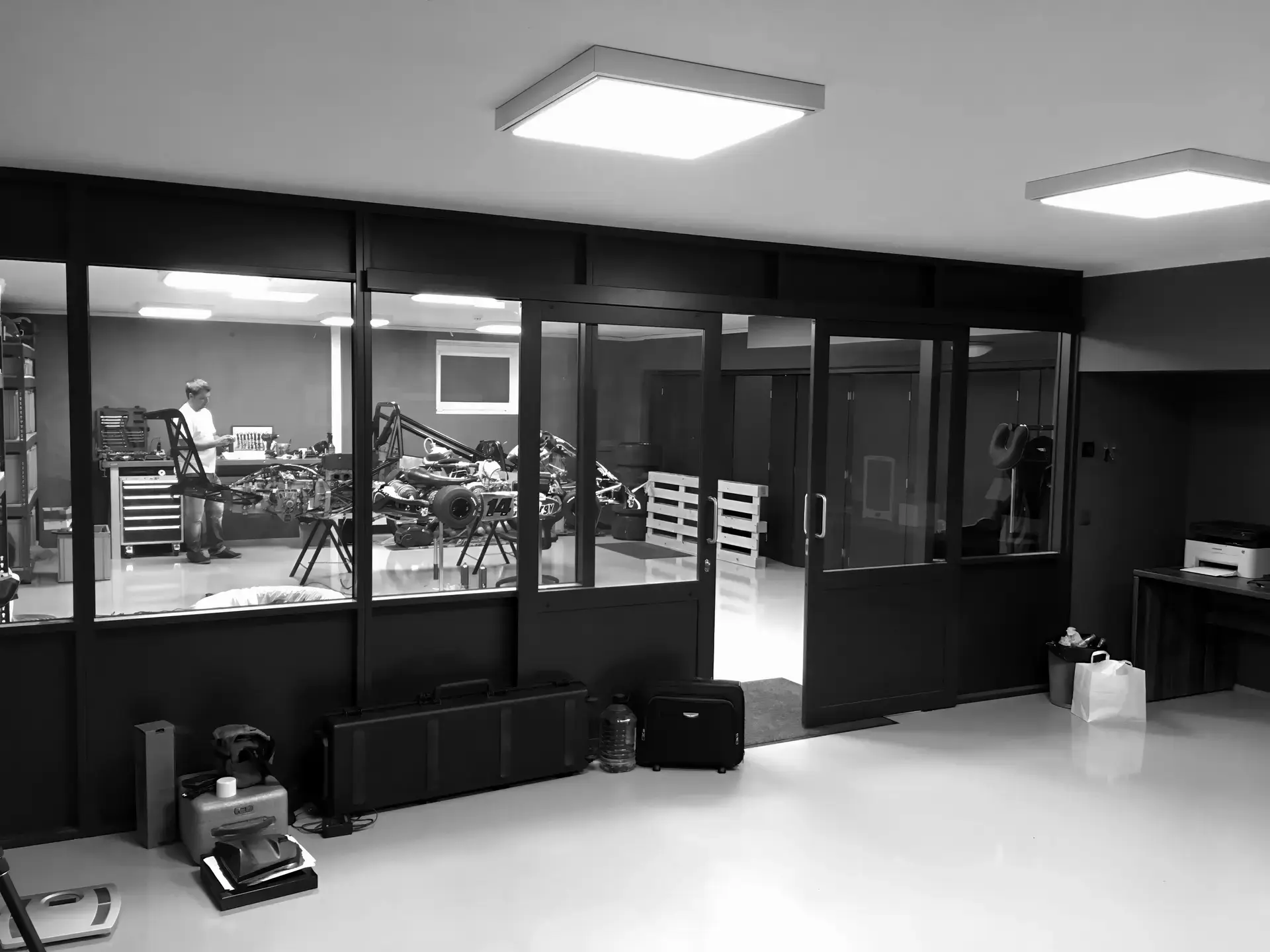
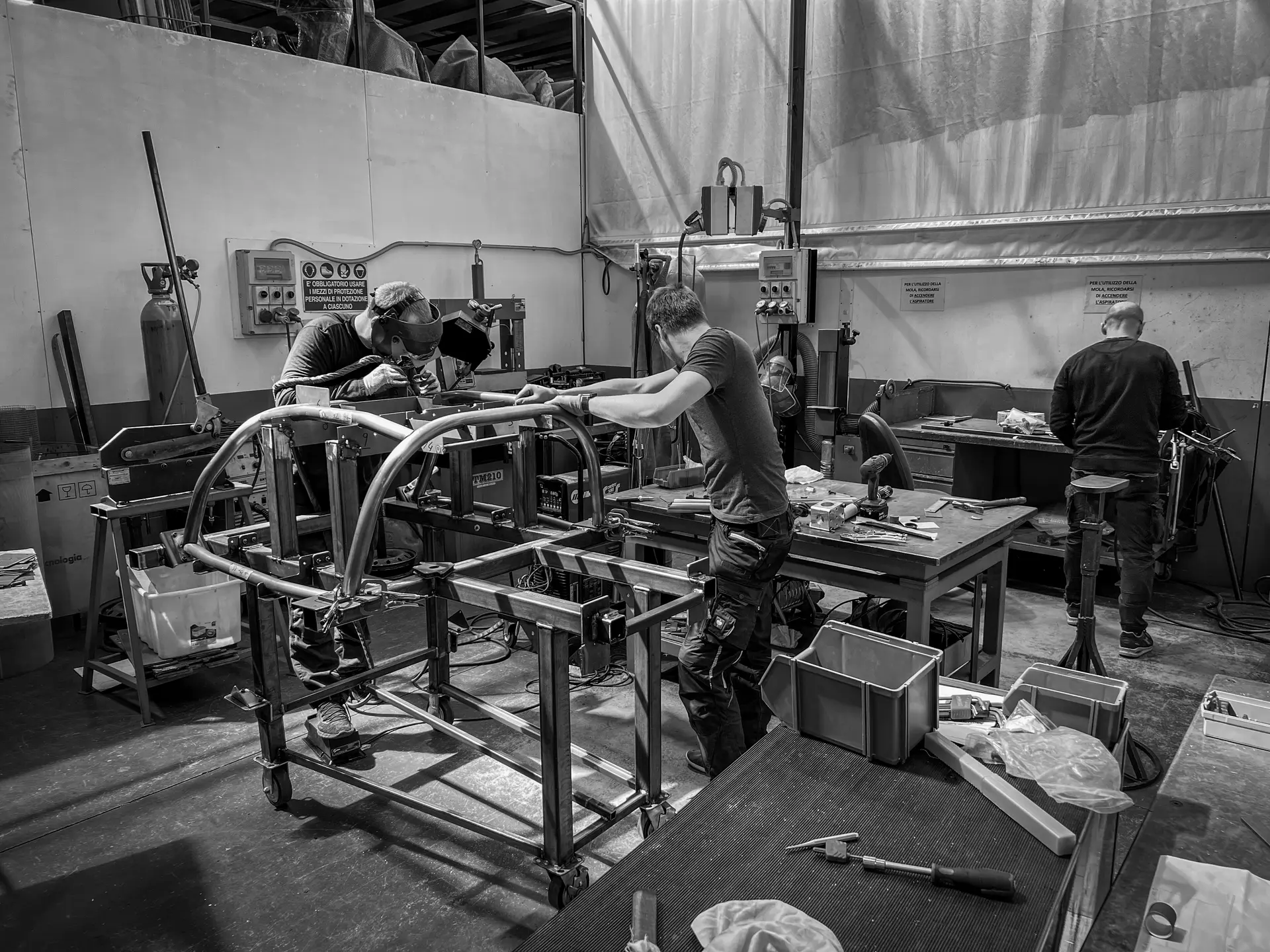
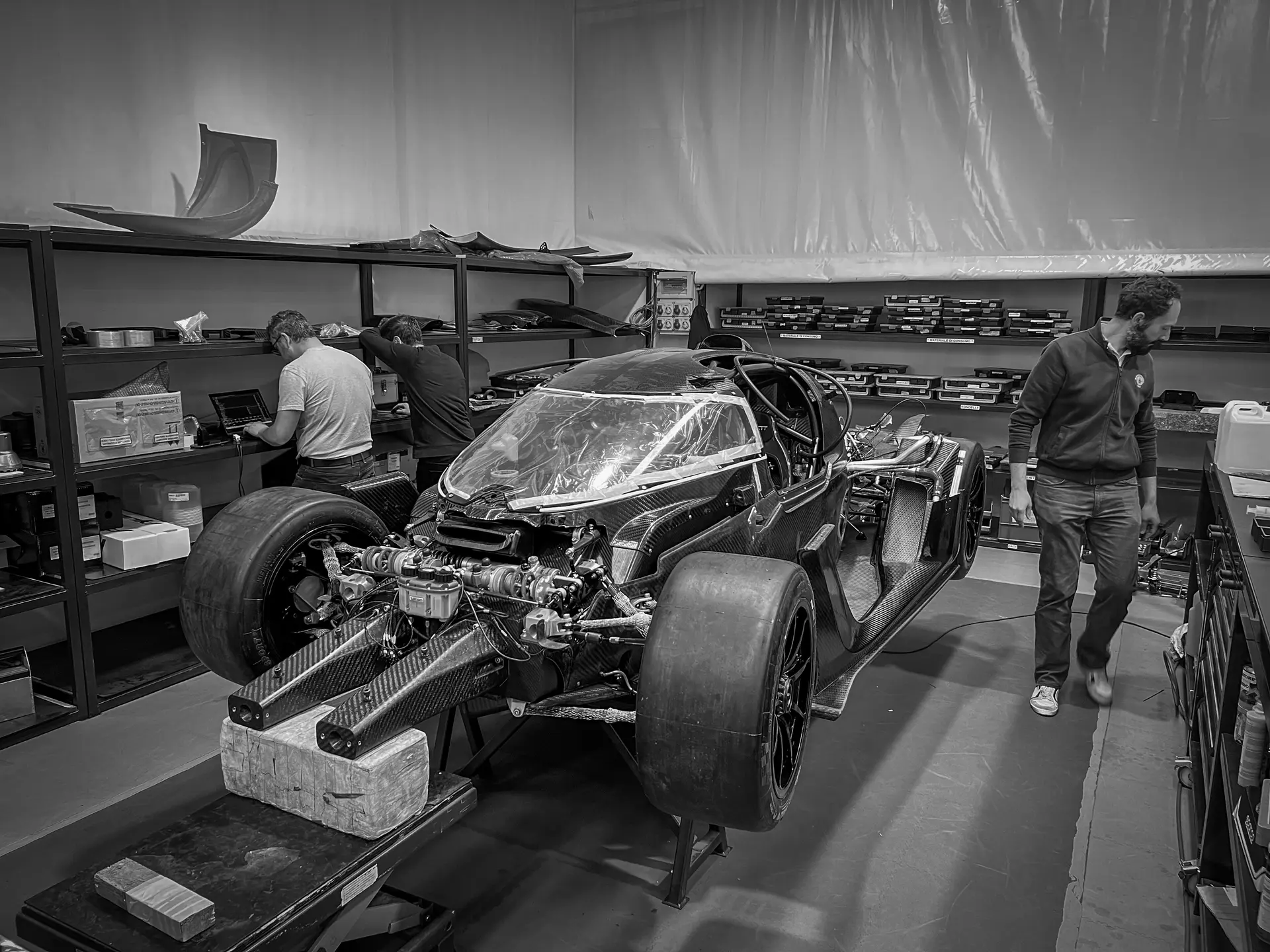
It started in four parking spots beneath an apartment building. A folding door cut between two of them was the first thing built. A racing car was going to be made here.
The car did not exist yet. The skills to build it were being learned — one at a time, each tool paid for through commercial work before it ever touched the project.
The first aerodynamic simulation was run on a laptop. It was called Esimene simulatsioon.
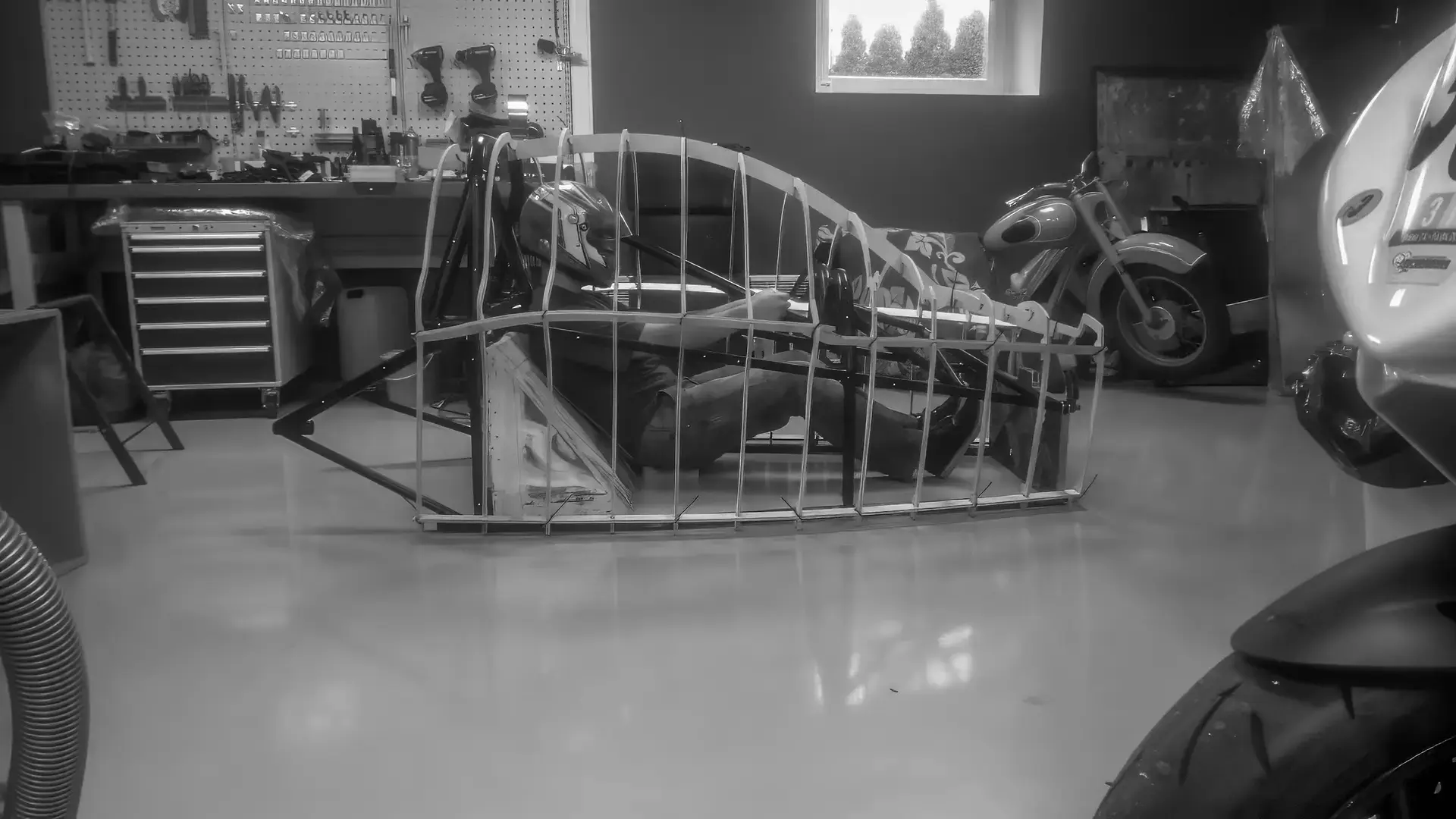
A full-scale wooden mockup was built to test what the driver would see. The cockpit is tight — centimetres between the bodywork and the helmet. There was no way to judge the sightlines from a screen. You had to sit inside it and look.
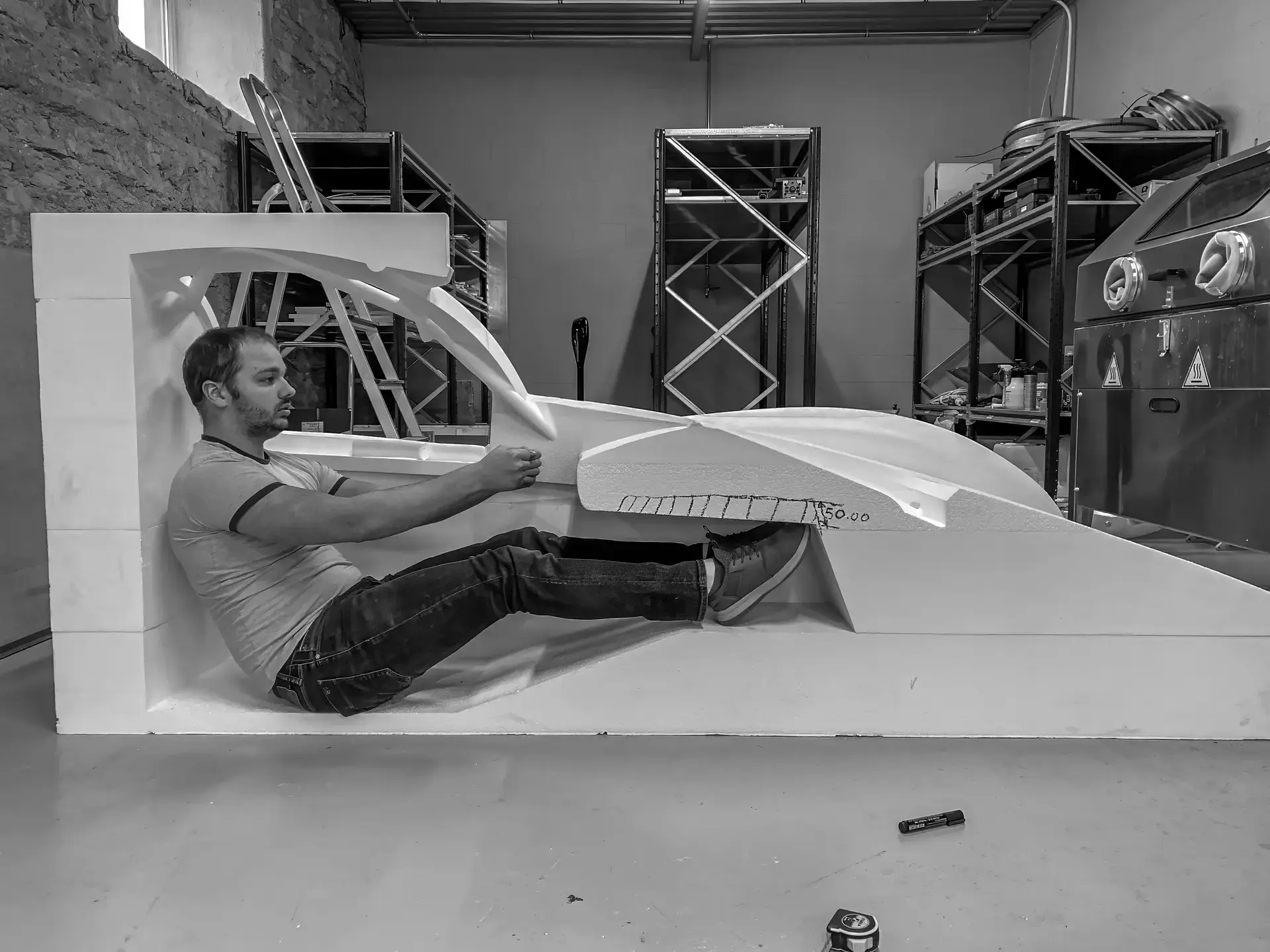
Sightlines confirmed. Now the surfaces had to be right. A full-scale styrofoam mockup was CNC-cut and finished by hand — contours measured, corrected, measured again until the shape matched the model.
There’s no undoing a mould. It had to be right first time.
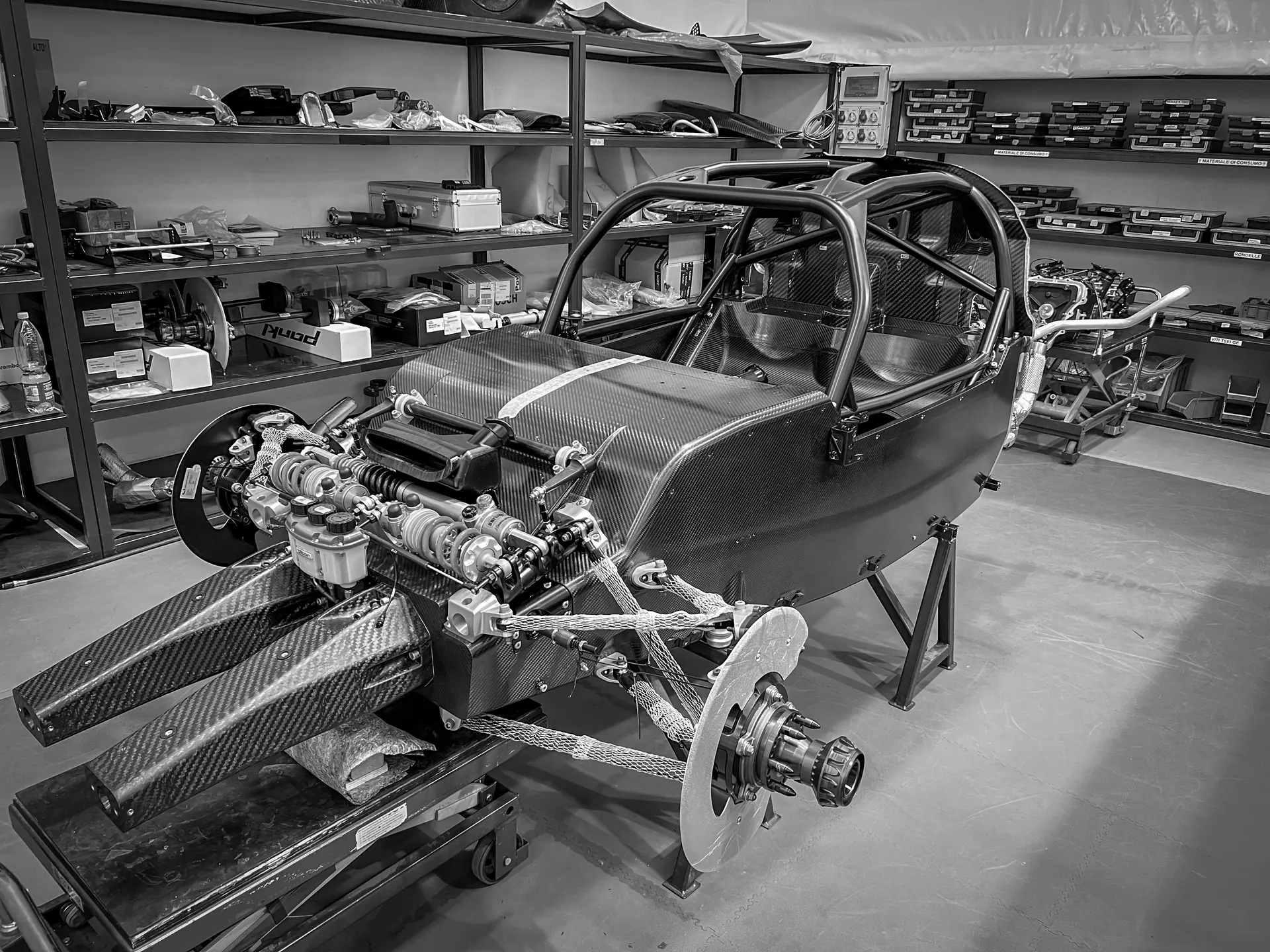
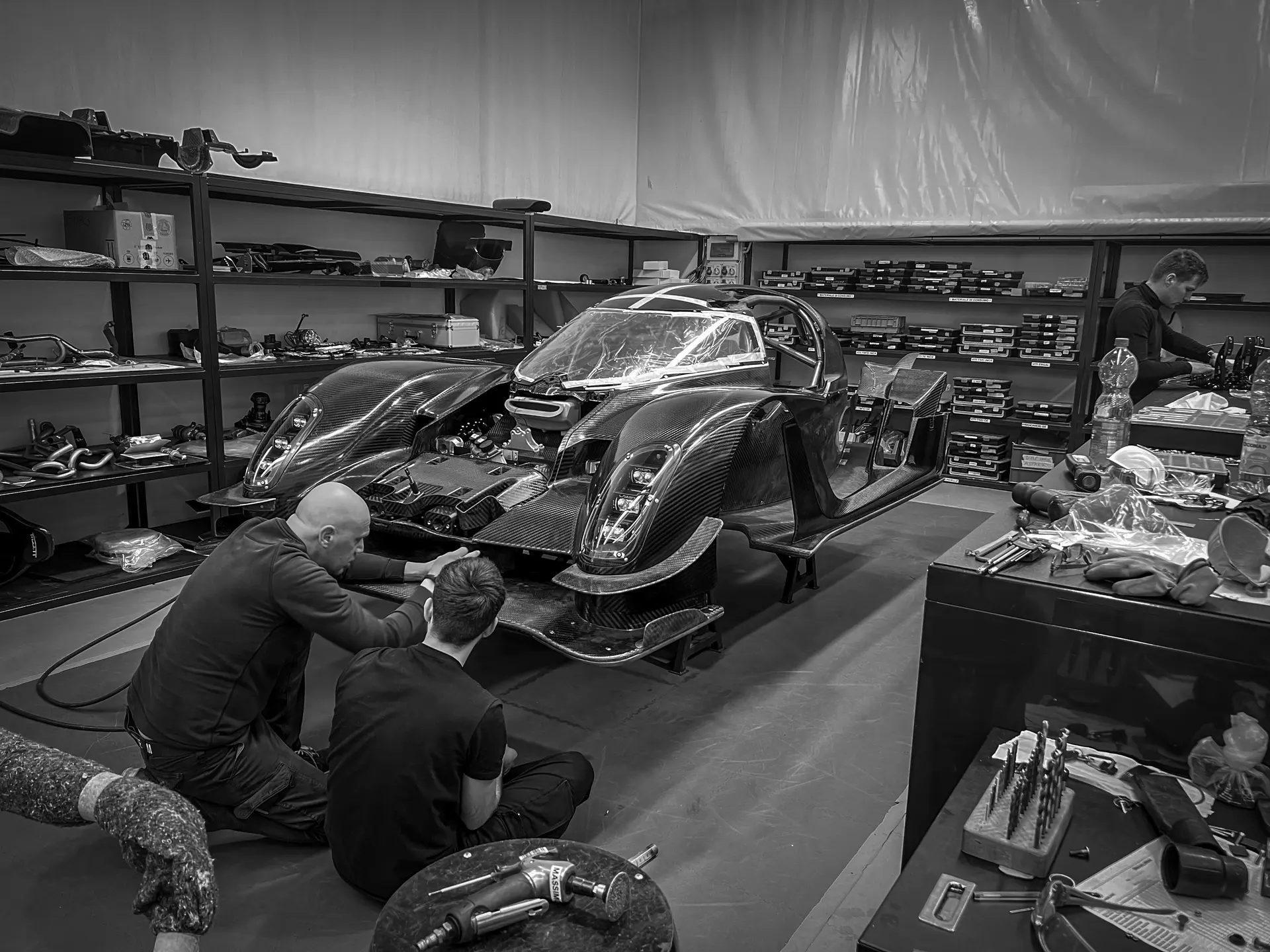
Oldbac partnered with MAT in Italy for body engineering — and stayed on the floor with their team through the whole build, learning composites fabrication as it happened.
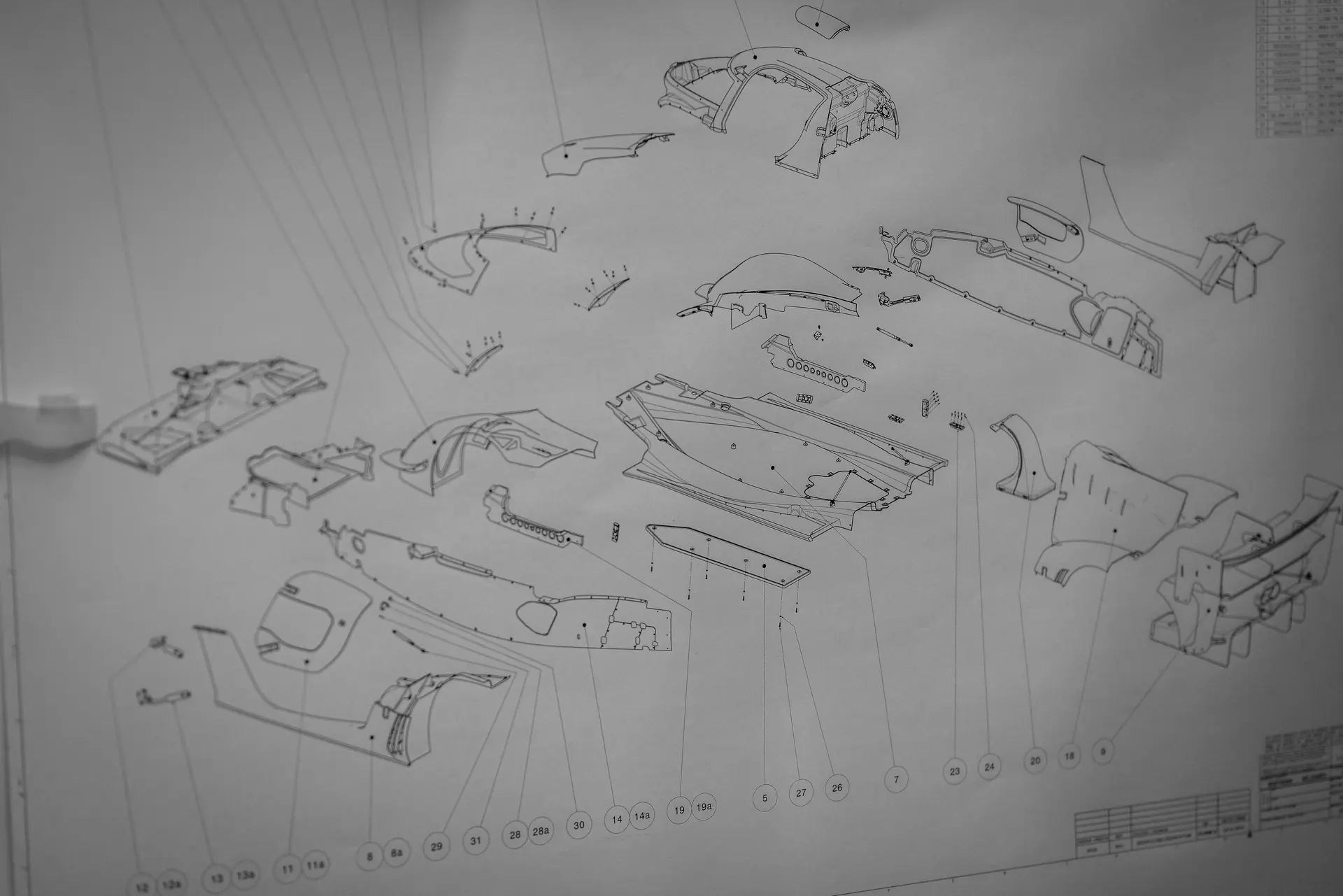
Every body panel drawn, split, and documented before any could be cut.
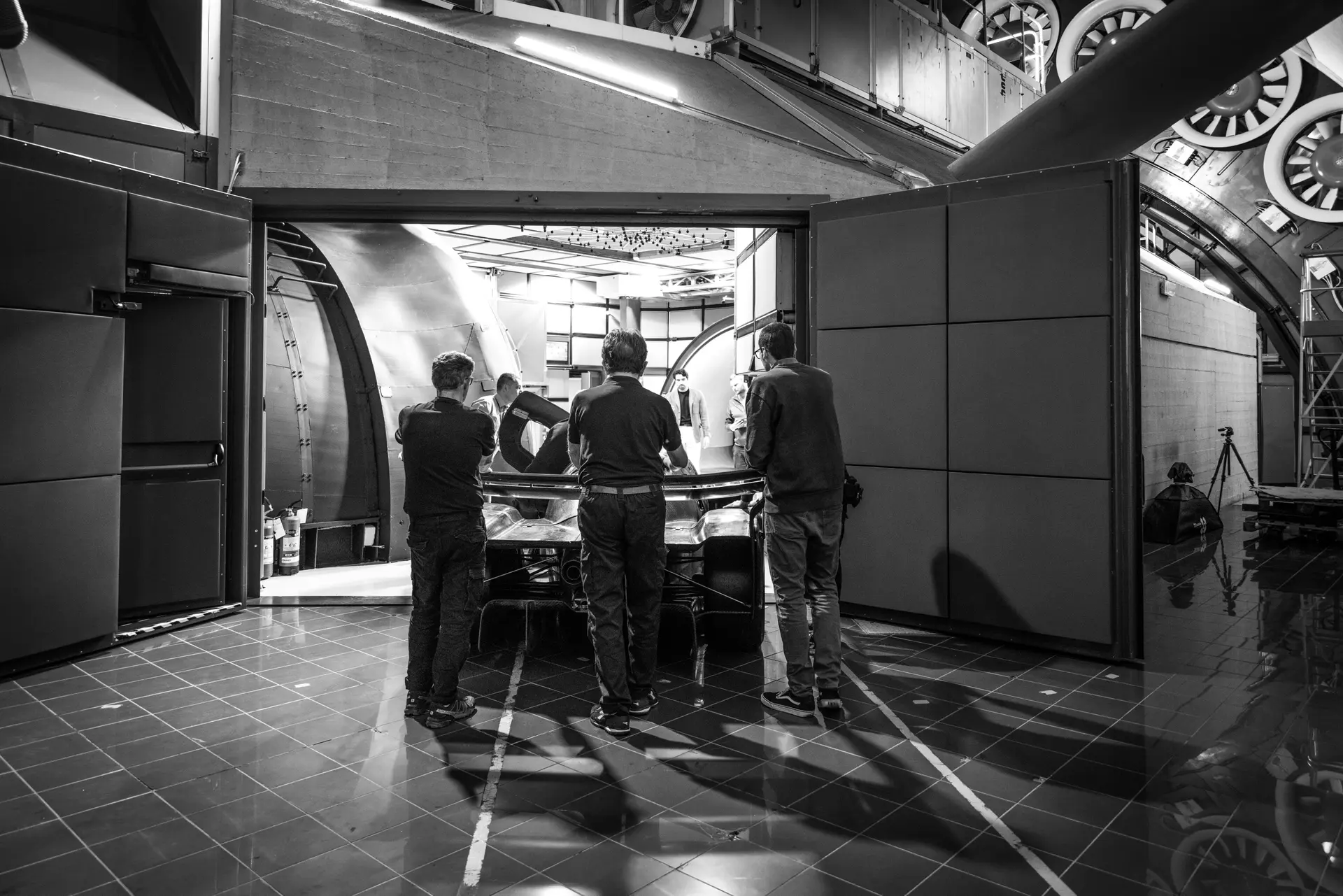
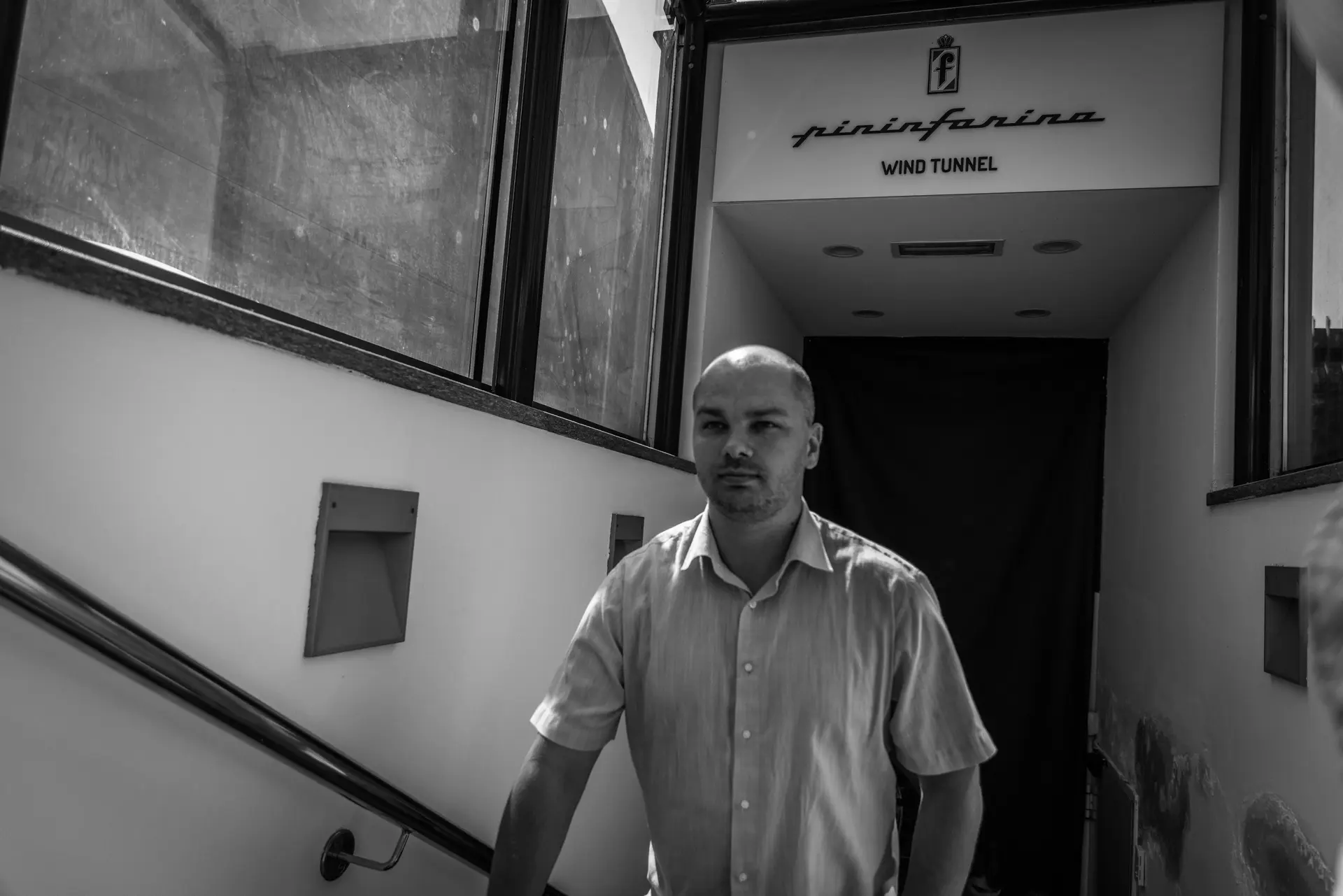
Six hundred and two simulations later, the car went to the Pininfarina Wind Tunnel in Torino.
Before the first run, the engineers were told the car would break the facility’s all-time downforce record. It did.
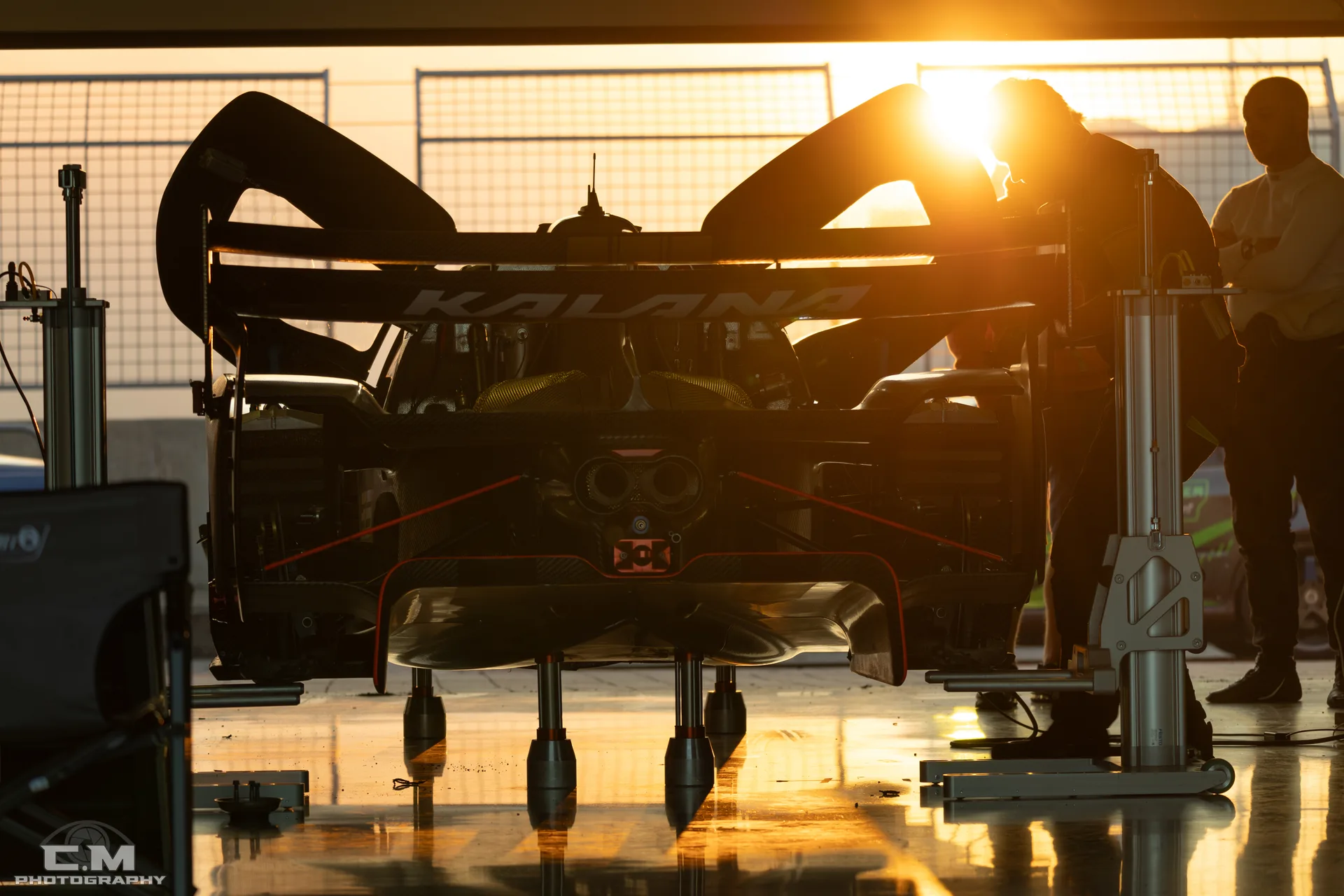
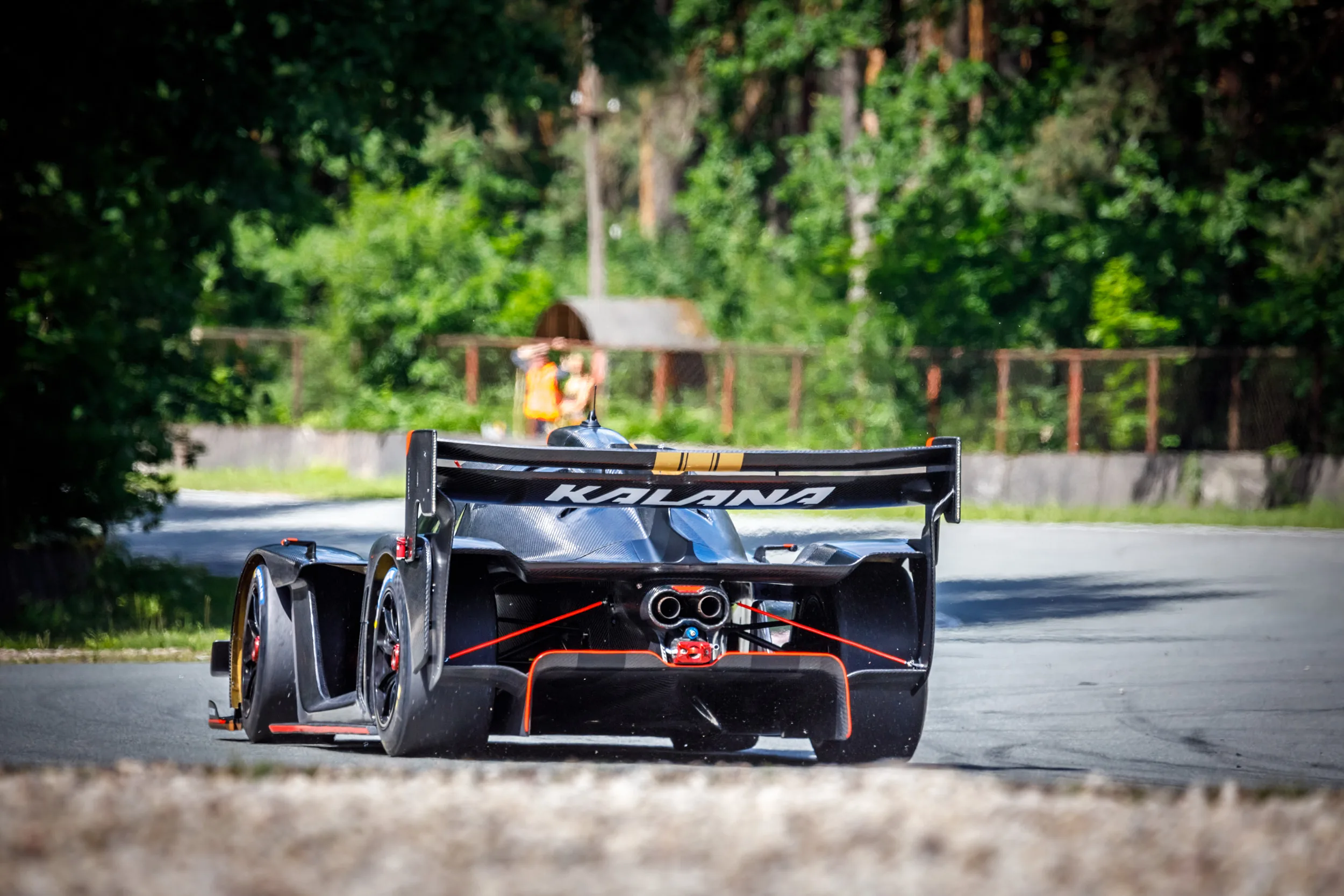
The car was called Kalana. At the Porsche Ring, it ran 1:09.111 — breaking a record held by Martin Rump in a Formula Renault 2.0. The following year, after a winter of development, it ran 1:08.438.
ERR covered the story. Carrozzieri Italiani called it the most exciting motorsport development in Northern Europe. The Kalana has its own Wikipedia entry.
The Bikernieki Circuit record had stood for eighteen years, held by an F3 car. Oldbac was invited for a single attempt. The power steering failed on the fastest corner. The driver held a conservative line through it.
1:12.725. It was enough.
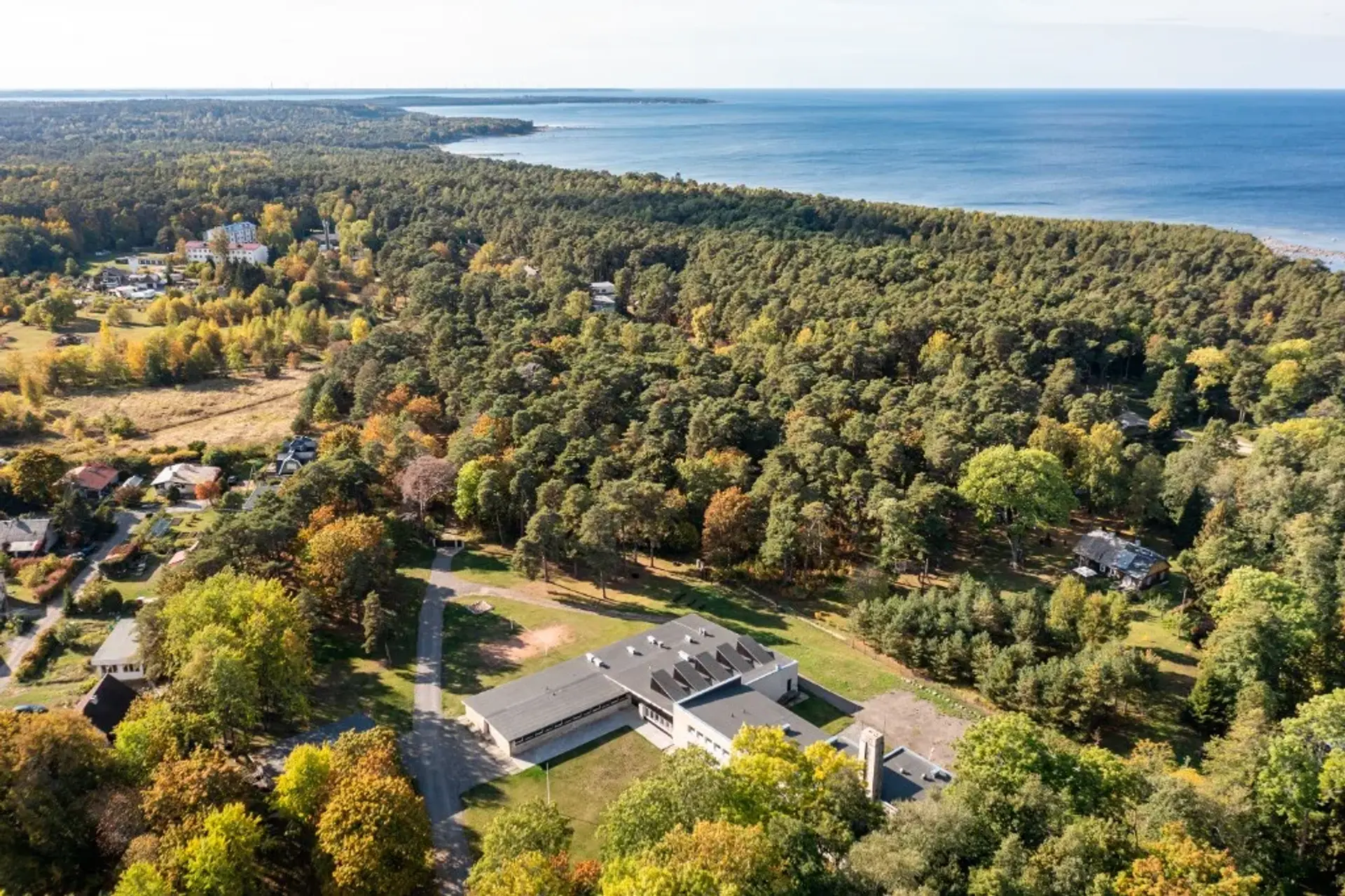
A Soviet-era sports base on the Estonian coast, built in the 1970s. During the purchase, the founder’s grandfather’s signature was found on the original building drawings. His exact role is unknown. But his name is on the paper.
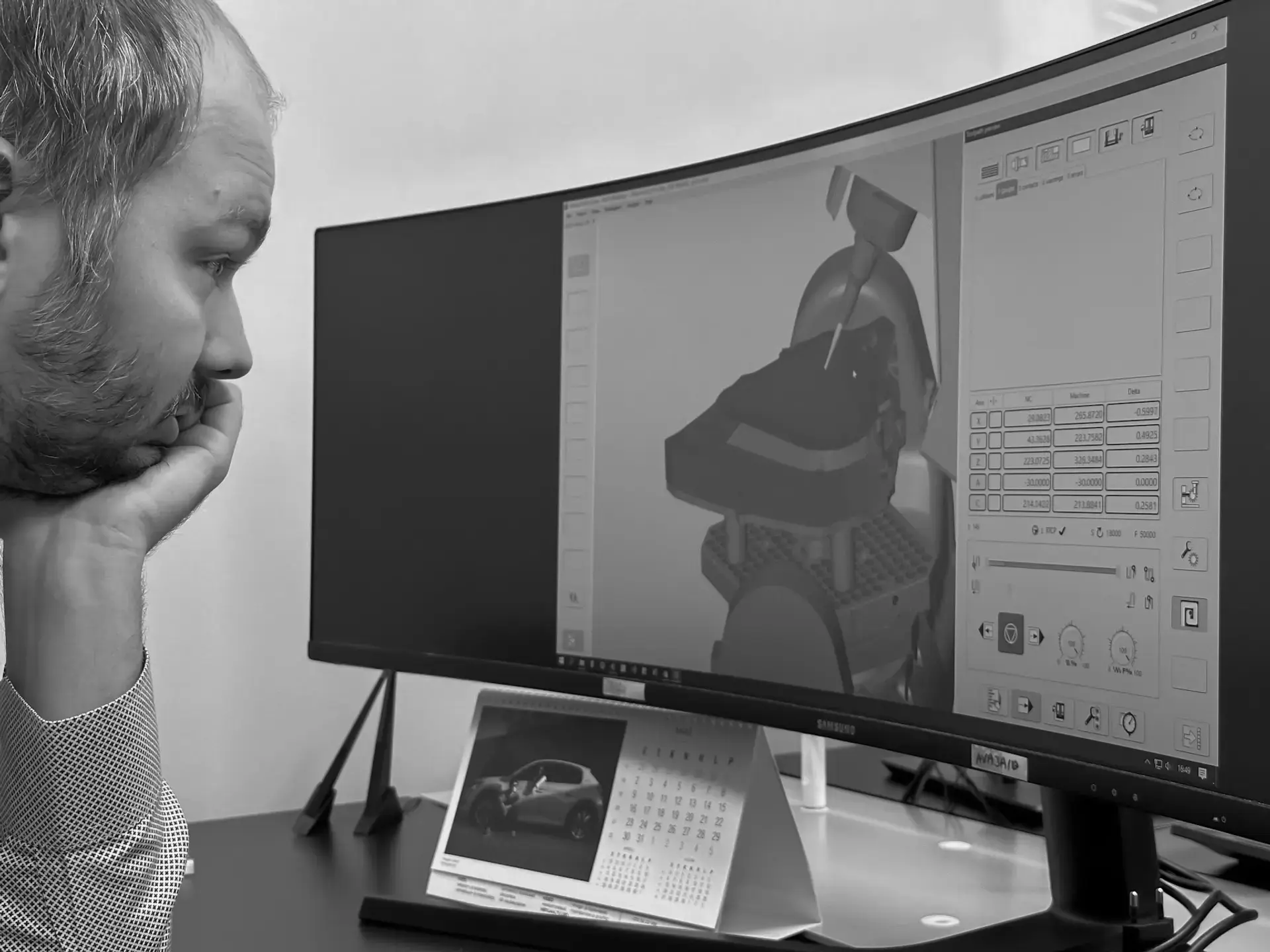
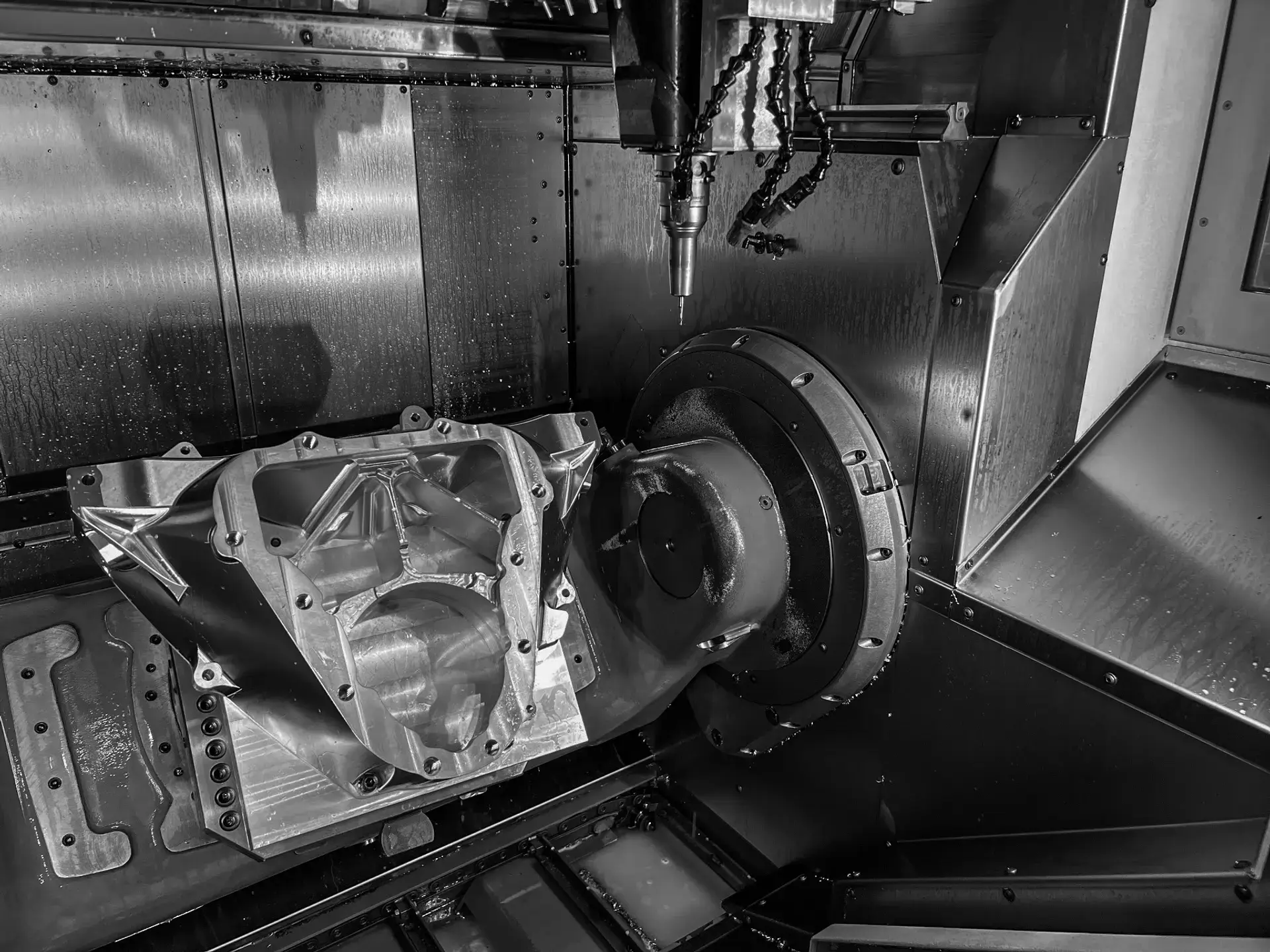
A 5-axis CNC and an autoclave are being installed. The building is being converted into a factory for the Tahkuna. Capacity: five cars per year.
Kalana was the development mule. Three records in two seasons. Never the intended car.
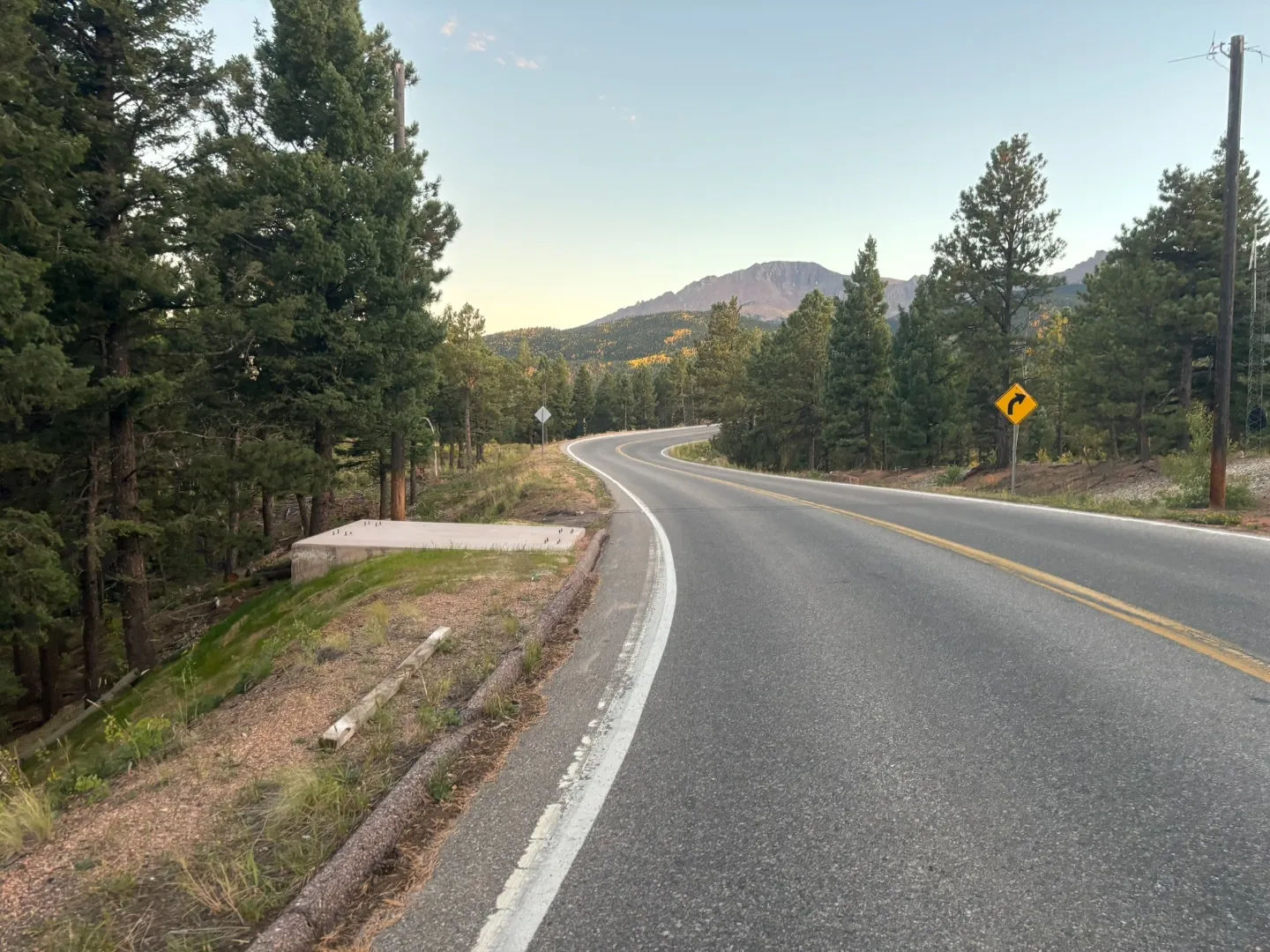
The next car is called Tahkuna. 1,200 horsepower at summit altitude. 2,860 kilograms of downforce at 250 km/h. Pikes Peak International Hill Climb. Unlimited class. 156 corners. 1,440 metres of elevation gain. The target is 7:57.148 — the record set by Romain Dumas in the Volkswagen I.D. R.
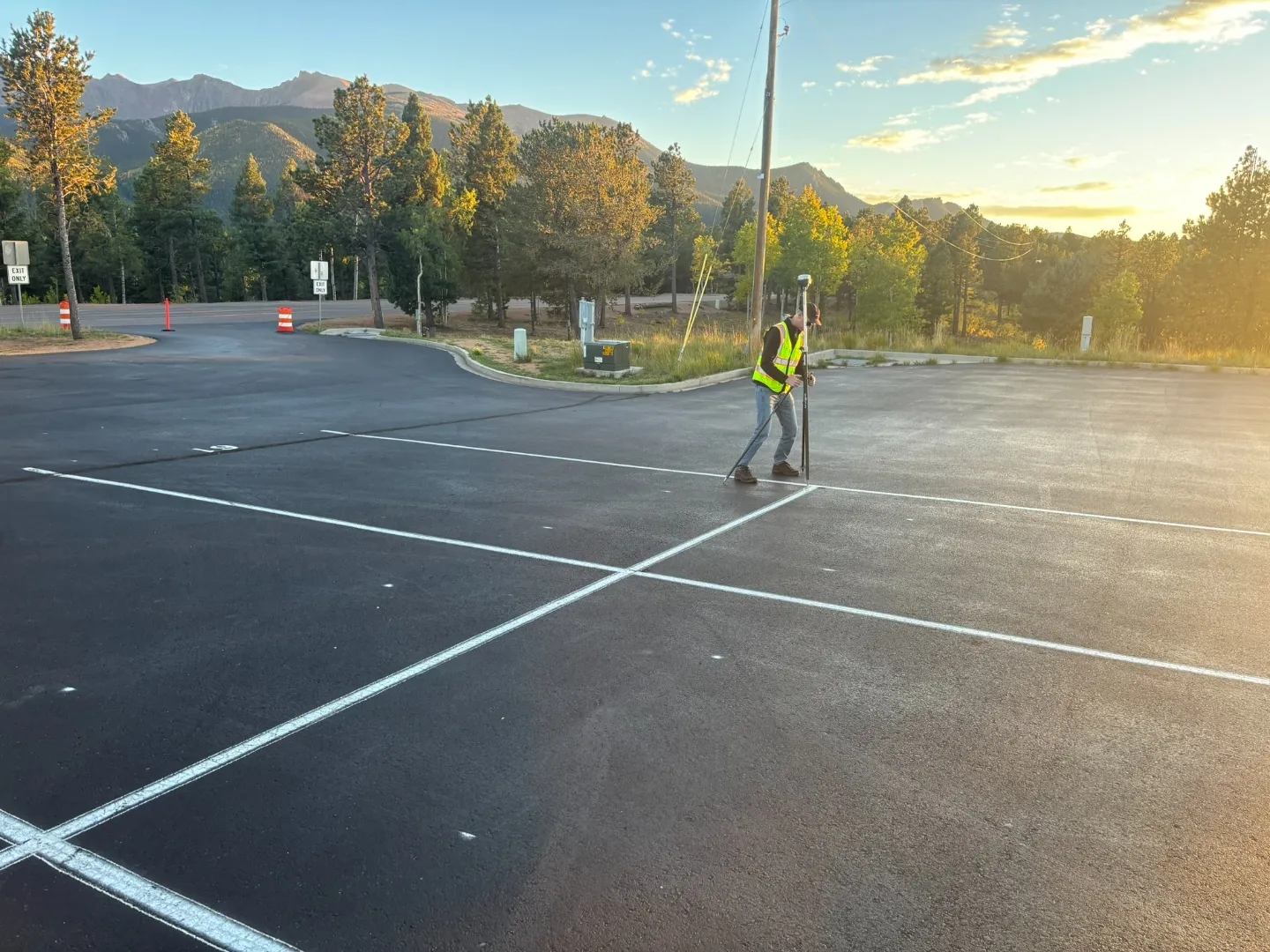
Six aero engineers. 245 aerodynamic iterations on the LUMI supercomputer. The mountain was scanned in person — two expeditions, 650 gigabytes of data, 20,000 metres of road placed by hand in the simulation.
The programme is open
The story is not finished.
If you want to see the car, sponsor the programme, or read what happens next — keep going.