← All Stories
Rudskogen Motorsenter, Norway
Rudskogen Did Not
Go As Planned
We arrived at Gatebil Rudskogen with months of driver-in-the-loop simulation behind us. The car was prepared. The data said we were ready. The track disagreed.
The preparation had been thorough. We ran hundreds of laps in the simulator, tuning the setup, refining braking points, optimizing our line through every corner. We modeled the tarmac characteristics based on the best data available to us. The numbers were good.
There was one variable we could not simulate.
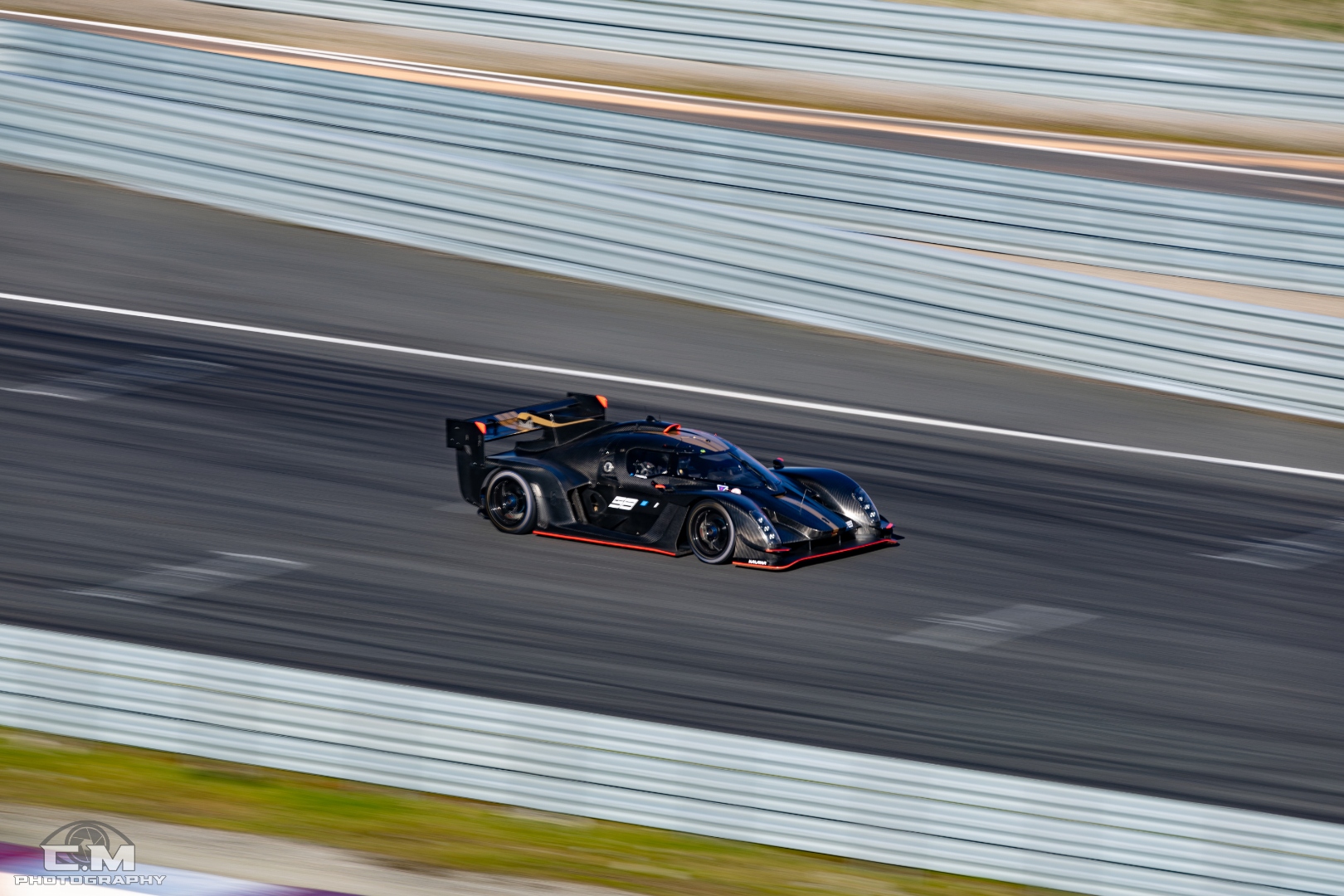
Gatebil is not a typical time attack event. It shares the circuit with one of Europe's largest drifting festivals. Hundreds of drift cars spend the weekend laying rubber across every apex and exit. By the time our session came, the racing line was covered in a layer of drift tire marbles that fundamentally changed the surface.
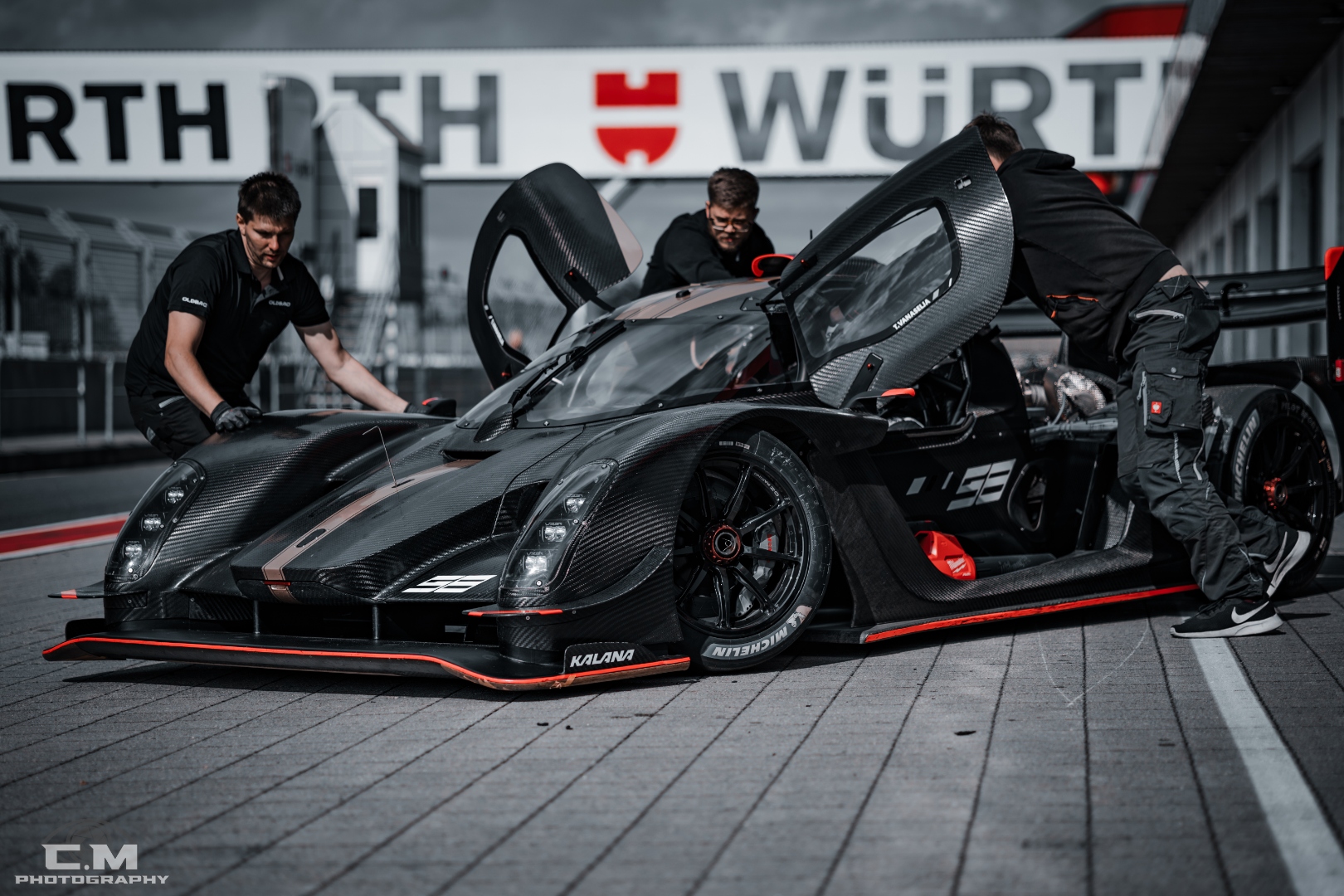
Pitlane, Rudskogen — the team preparing for a session.
The grip was dramatically lower than our simulation had predicted. The tires we brought were selected for clean tarmac — a compound that needs heat and load to work. On the marble-covered surface, they never came into their operating window. We could not generate the temperatures required to make the rubber work.
We did not bring a softer compound. We had not anticipated this scenario.
What We Learned
Simulation is a tool, not a guarantee. It can model the car, the driver, the circuit geometry, the weather. It cannot model what 300 drift cars do to a track surface over two days.
The gap between simulation and reality is where assumptions live. Our assumption about tarmac grip was based on clean-surface data. That assumption was wrong, and we did not have a contingency for it.
For every future event, we now bring compound options for degraded surfaces. We also build time into the schedule to run reconnaissance laps before committing to a tire strategy. These are not lessons we could have learned from a screen.
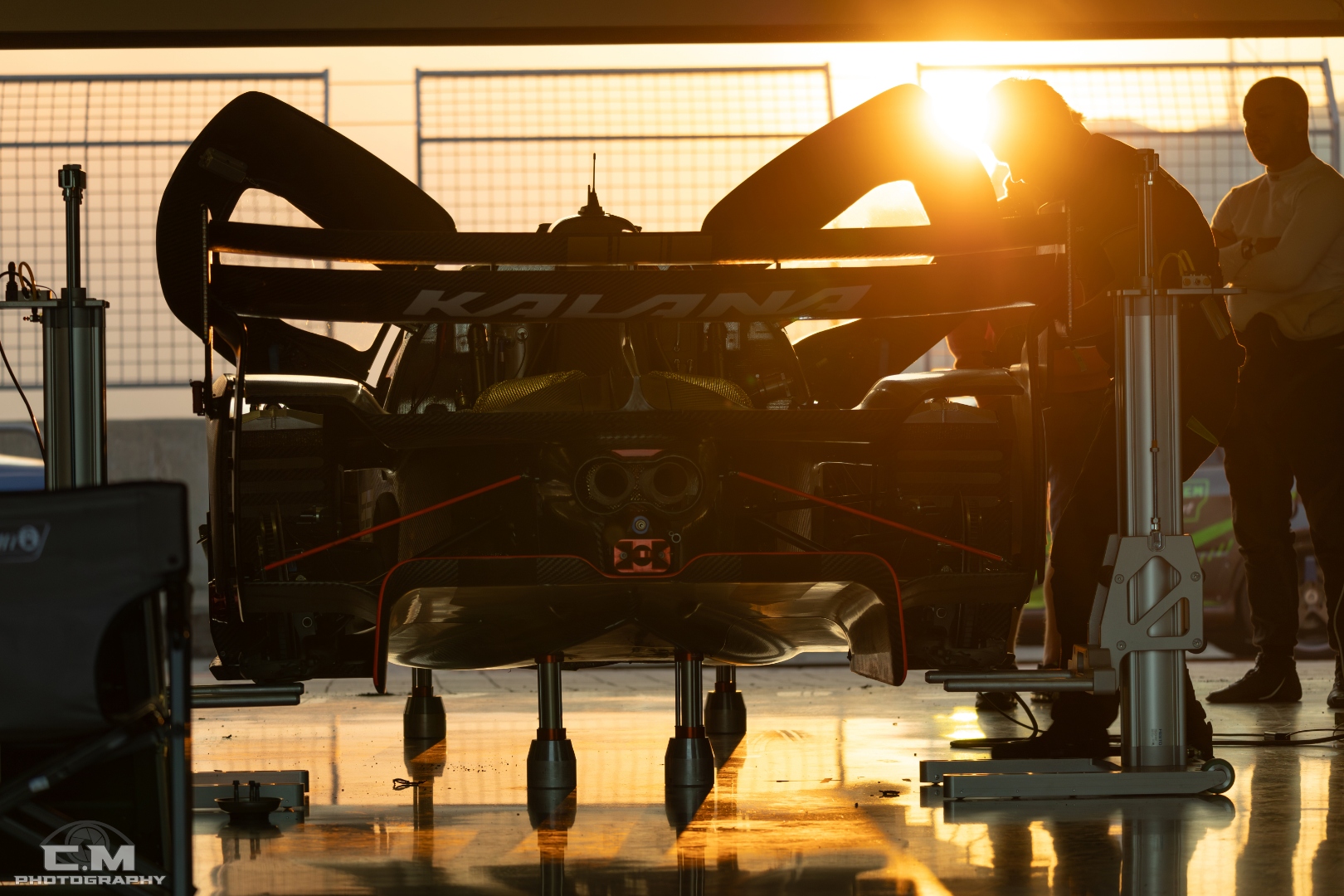
End of day. The car goes back on the truck. The data goes back to the simulator.
The record attempt failed. There is no way to frame that differently.
But the car ran. The systems worked. The team operated under pressure at an unfamiliar circuit in a foreign country. Every part of the operation functioned except the one thing we could not control and did not plan for.
We will be back.